
What makes Summerlin its own thing
Howard Hughes died in 1976, but the master plan that bears his name launched in 1990 on 22,500 acres of Mojave desert along the Spring Mountains foothills. The Howard Hughes Corporation broke ground on the first village — The Hills — that year, and has been building ever since. Thirty-five years later, Summerlin has over 130,000 residents, 54,000+ homes, and a brand identity so strong that sellers describe their address as "Summerlin" before they say "Las Vegas." That's not common in the valley. Aliante sellers say "North Las Vegas." Anthem sellers say "Henderson." Summerlin sellers say "Summerlin." The name carries.
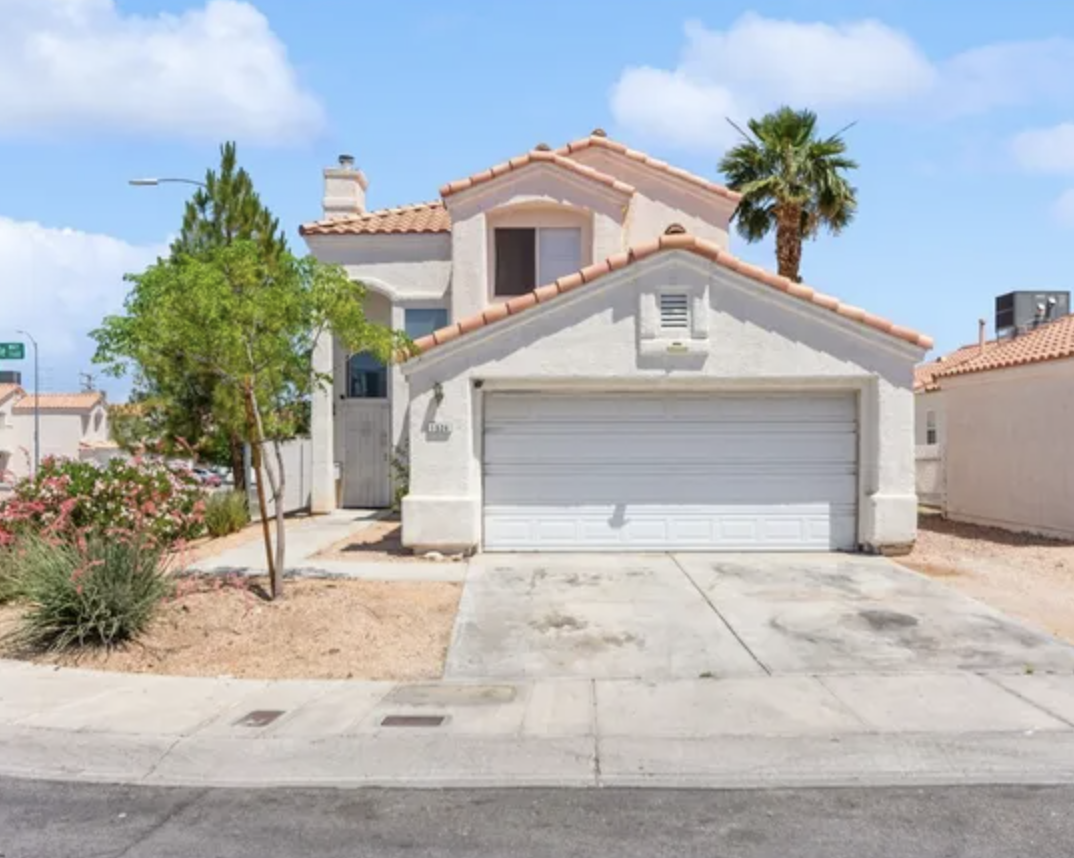
The master plan runs west to the Red Rock Canyon National Conservation Area boundary and organizes itself into three generations of villages. The North villages (1990–2004) are fully built out and show it in the best way: 30-year-old trees, established schools, Mediterranean stuccos with Spanish tile roofs that have patinated into the desert landscape. The South villages (2000–2014) are the amenity and commercial hub — Downtown Summerlin, the Las Vegas Ballpark, City National Arena (the Golden Knights' practice facility), and the luxury guard-gated communities like The Ridges and Red Rock Country Club. The West villages (2015–present) are still building: desert-contemporary architecture, rooftop solar, the closest views of Red Rock Canyon from any front door in the master plan.
Sellers call us for every kind of reason — estate situations, relocation, divorce, financial pressure, repairs that have stacked up beyond what makes sense to take on before a listing, code issues, a landlord ready to step away from a property. The Summerlin equity cushion is real — 20-year holders in the North villages have substantial positions — but equity doesn't define who can use an all-cash offer. Speed, convenience, and a straightforward process have value regardless of the seller's situation.
Summerlin sub-areas we cover
Summerlin isn't one neighborhood. Selling a 1990s Mediterranean ranch in The Trails is a different conversation than selling a desert-contemporary in Reverence — different housing era, different buyer pool, different seller motivations. Here's how the master plan breaks down:
- Summerlin North (1990–2004) — The original Summerlin, built village by village starting with The Hills. By the time The Willows and Summerlin Centre finished in the late 1990s, the North was a complete, self-sufficient community with mature landscaping, good schools, and a neighborhood feel that newer master plans are still trying to replicate. Homes run 1,800–4,500 sqft, Mediterranean stucco with Spanish tile roofs throughout, mostly HOA-governed. The typical North Summerlin seller has owned 20–30 years and is making a lifecycle decision: downsizing, moving to a 55+ community nearby, or leaving the valley for a new chapter.
- Summerlin South (2000–2014) — The premium center. Downtown Summerlin (opened October 2014) brought a genuine outdoor retail and dining district to the west side of the valley; Las Vegas Ballpark and City National Arena (Golden Knights practice rink) followed. The Ridges and Red Rock Country Club are the luxury guard-gated anchor — custom and semi-custom homes from $1M into the $10M+ range, with Red Rock views from the upper lots. The Gardens, The Vistas, and The Paseos are the family-oriented mid-range villages. Sellers here tend to be professionals who bought in the 2000–2010 window; relocation and empty-nest downsizing are the most common triggers.
- Summerlin West (2015–present) — The growth edge and the architectural break. Where the North and South villages went Mediterranean, the West went desert-contemporary: flat rooflines, stucco in warm neutrals and cool grays, rooftop solar on nearly every new build. Reverence, The Cliffs, Redpoint, Kestrel, and the new Grand Park village sit at the highest elevation in the master plan, with unobstructed Red Rock Canyon views that older Summerlin addresses can't match. Sellers here are newer owners — many bought in the 2015–2020 window — and relocation is the dominant reason for selling.
- 55+ communities within Summerlin — Sun City Summerlin (7,779 homes, 1989 groundbreaking, 2,400 acres, three recreation centers, three golf courses) is the valley's original Del Webb age-restricted community. Siena (2,001 homes, guard-gated, 18-hole golf), Regency at Summerlin, and Trilogy at Summerlin also sit within the master plan. We buy in all of them — but if you own in one of these communities, our 55+ communities page covers the seller situations, HOA considerations, and how we work in age-restricted communities in full detail.
Why Summerlin sellers call us
The North village sellers we hear from most often are making big-picture decisions. A couple who bought in The Trails in 1995 is now in their late 60s; the kids are gone; the house is 3,200 sqft with a pool that hasn't changed since the Clinton administration. A traditional listing means six weeks of prep, staging, showings around their schedule, and an escrow that takes 45 days after acceptance. We skip all of that: one conversation, one offer, close when you're ready. For sellers who have spent 30 years maintaining a home, the idea of not having to get it "showing ready" carries real weight.
In Summerlin South, The Ridges and Red Rock Country Club generate a specific kind of call — high-net-worth sellers who want a discreet transaction without a public listing and weeks of open houses. We buy directly and don't assign or wholesale contracts to other buyers, so the transaction stays between us. That matters in neighborhoods where privacy is part of what residents paid for.
Sellers reach out for the full range of reasons: estate situations, divorce, a job offer that means relocating across the country in six weeks, financial pressure that makes a faster close more valuable than a top-dollar result, a repair situation that has grown beyond what makes sense to take on before putting a house on the market. Every situation is a legitimate reason to call. We make one straightforward offer and let you decide if it works.
How we work in Summerlin
We buy houses in Summerlin directly — no wholesaling, no assigning contracts to third parties. That means our offer is our offer; the close happens on our timeline, not someone else's. We can close in as little as a week for sellers who need to move fast, or we can set a 45- or 60-day close if you need time to find your next place. Leaseback arrangements are available if you need to stay in the home after closing while you transition.
We handle HOA payoff at closing — Summerlin HOAs can carry a few hundred dollars per month in dues plus resale disclosure and transfer fees, and we take all of that off the seller's plate. If the home has deferred maintenance or needs work before it could go on the traditional market, that doesn't change our process: we buy as-is, factor condition into the offer, and handle the repairs ourselves after closing. If there's a tenant in place, we can buy with the tenant staying — you don't have to serve notice or wait for a lease to end.
All closing costs on our end. No agent commissions, no repair credits, no renegotiation after an inspection. If the offer works for you, we close.